It seemed that with the arrival of the new millennium, the world had sobered up from its hungover past, shaken the ash of world wars and geopolitical catastrophes from its aching shoulders, and then stepped toward civility. Humanity became absorbed in the ethics of vegetarianism and the fight against climate change; a bright future awaited just beyond the threshold — all that remained was to knock the ancient grime from our boots and step into it.
But people once again fell out over a trifle, and to resolve the conflict they resorted to shouting and plunged their hands into a bowl full of radicalism. The world sank into what it had been trying to expel for decades through a painful search for compromises. Egoism prevailed over humanism, and life once again began to play in primordial colors — black and white.
In this reality — either fictional or frighteningly familiar — lives an idler nicknamed “Ghetto” Pat. Trusting and kind-hearted, he constantly gets himself into dubious situations. It is hardly surprising that one day he was drawn into the orbit of the militant group “French 75”, intent on freeing the United States from tyranny.
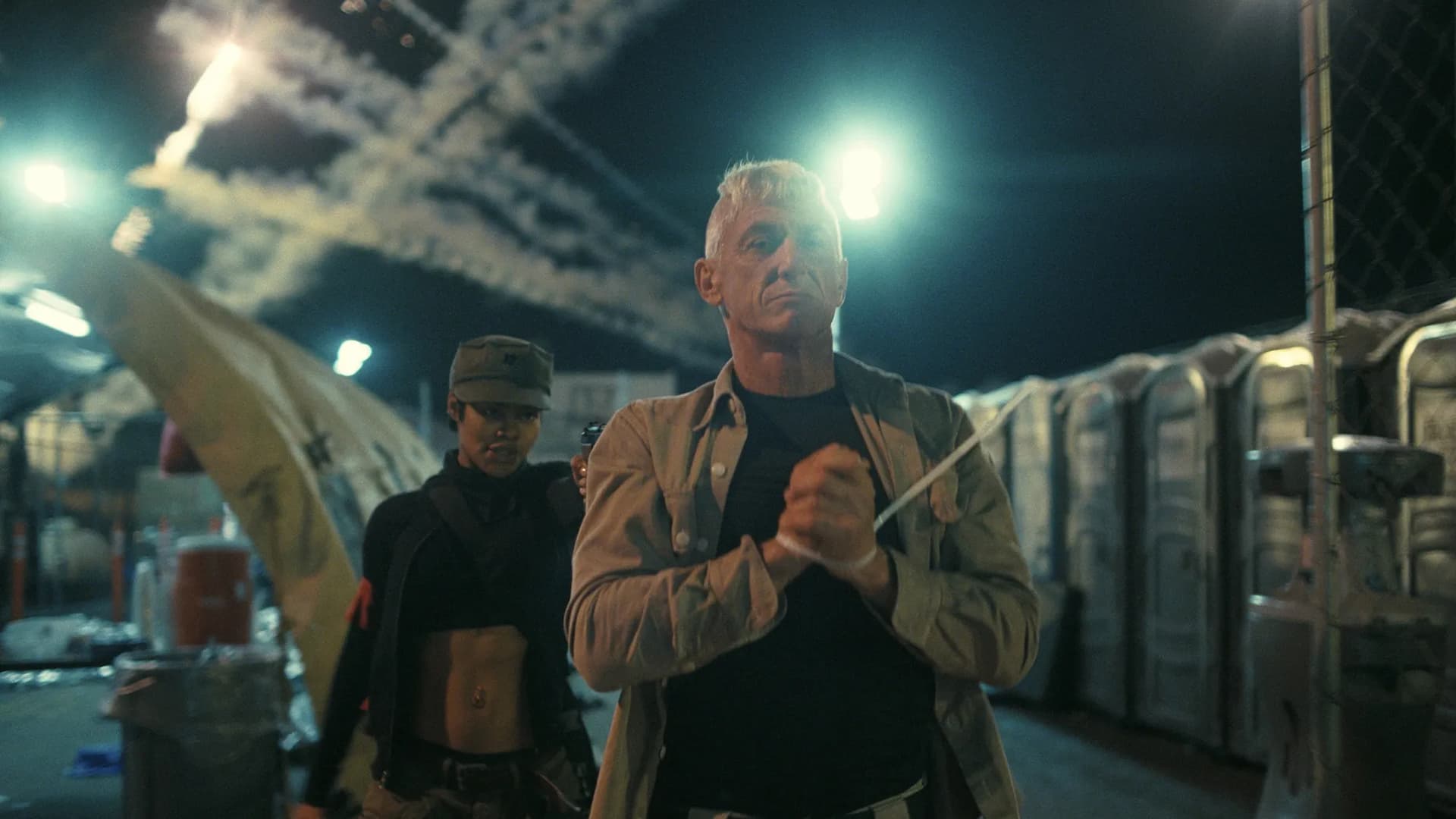
They fight intolerance that only yesterday seemed like wild fantasy. Camps for migrants are filled with sufferers, many of whom earned the right to a better life through honest labor, yet now the authorities care not about human dignity but about skin color. On top of this, a secret society of supremacists, with the tacit support of the army and the government, decides to cleanse America of outsiders.
At first, Pat follows the extremist ideals of his friends, and then the call of his heart, as a daring activist becomes the center of his tiny universe. But the sweet little girl — the fruit of their whirlwind love — gives rise to even greater chaos, because her mother, unprepared for parental responsibility, flees from her loved ones straight behind bars.
After the loss of such a charismatic fighter, the group splinters, retaining only loyalty to its ideals and secret codes in case former comrades ever need help. But the local colonel, who commands the racist liberation army and may be the father of Pat’s Black daughter, has no intention of letting a living piece of evidence of his shameful desire go free.
“One Battle After Another” by Paul Thomas Anderson superficially follows Thomas Pynchon’s novella “Vineland” and, much like Lee Chang-dong’s “Burning”, significantly expands the scope of the original. At first, the director depicts his homeland as what it risks becoming in the foreseeable future, and then shifts the action a decade and a half forward — into the heart of a grim dystopia that differs little from the present day.
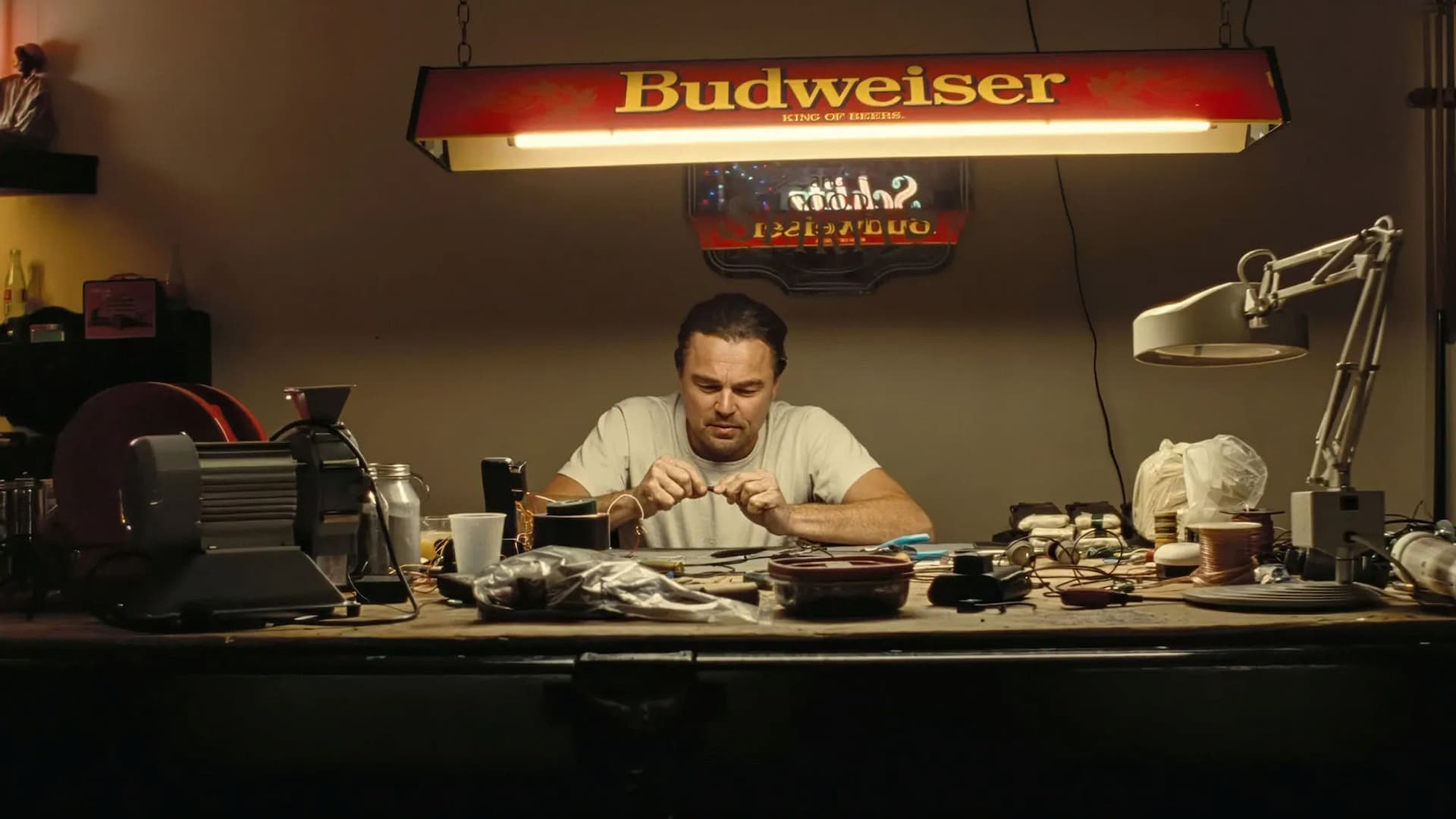
Pat, still unable to overcome the loss of his beloved, raises his daughter in a quiet town while abusing alcohol and listening to conspiracy theory podcasts. At first, he was relentlessly tormented by anxieties about an imagined pursuit, but over the years he softened. And at the most inopportune moment, the colonel bursts into this calm life with a barbaric mission.
Under the guise of a raid on shelters for illegal Mexican refugees, he plans to destroy all evidence of his connection to a Black woman. The film unleashes upon its characters an endless поток of cruelty and injustice. Death — shocking and mundane at once — races after them like an avalanche, burying random bystanders beneath it.
Yet Pat, who even in his youth never shone with convictions, can do little to help his daughter. Broken and disillusioned, tormented by paranoia and having survived the betrayal of his beloved, this man is not ready to be a hero. Alcohol has thoroughly washed from his memory all the safe houses and passwords, along with the last grains of critical thinking.
And yet Pat preserves the most important thing — his love for his daughter. Despite his weaknesses, he protected her from a cruel world and nurtured pride in her mother, day after day hiding the truth. For it was she who betrayed all the members of the organization, including her own child. Now the protagonist, in a bathrobe and with tousled mustache, plans to wrest his daughter from the bandits who hide white hoods beneath military uniforms.
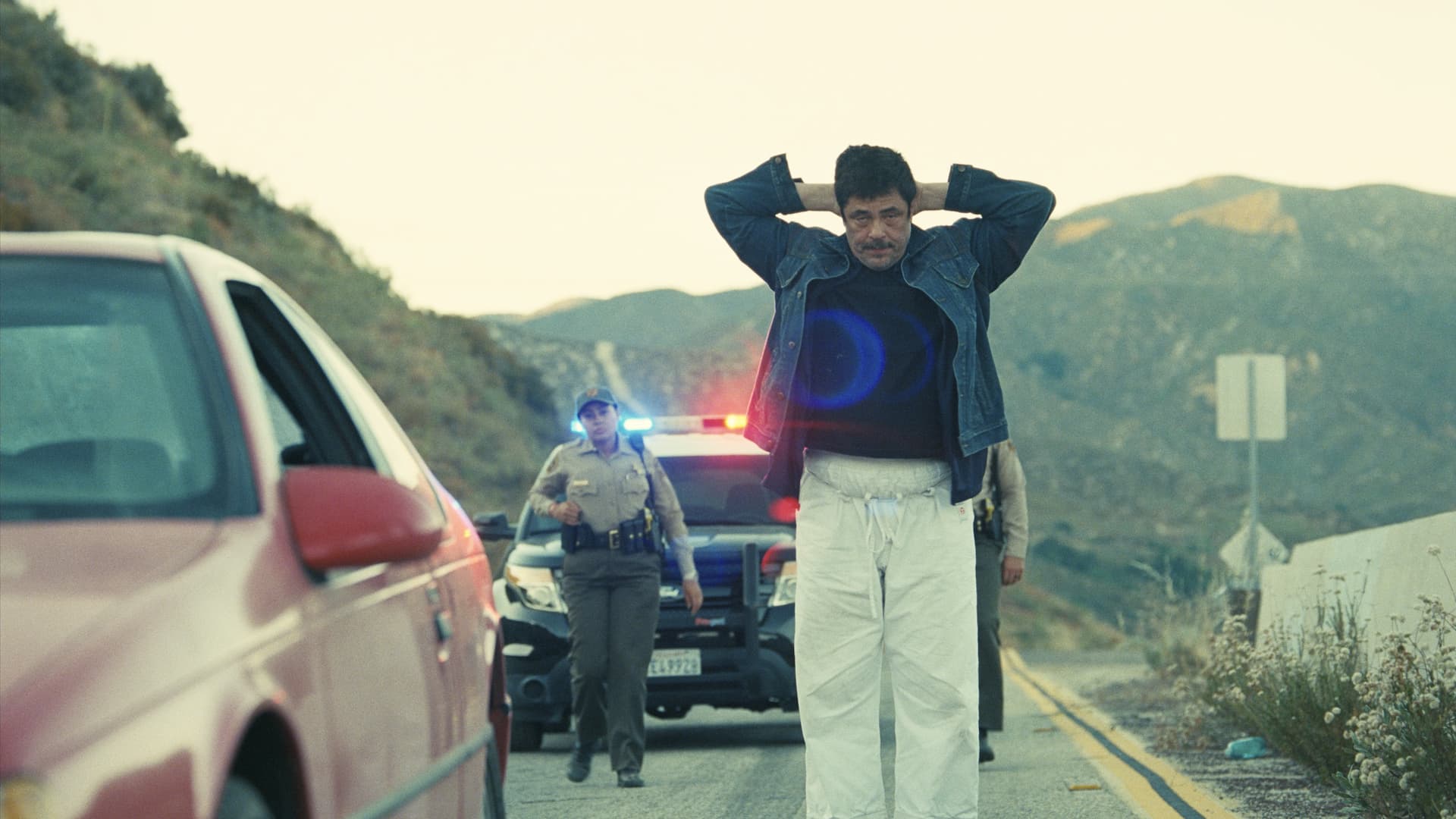
At times, “One Battle After Another” echoes “Inherent Vice”. Pat’s frantic chase is also interspersed with tragicomic misunderstandings that confound either through absurdity or through an unyielding sense of inevitability. Yet from the contrast of tempo and situations emerges a mad story that prevents a serious conversation from slipping into moralizing.
Behind the adventure lies the idea of an endless struggle — for shaky ideals, historical justice, and one’s own self. The characters set in motion a continuous cycle of resistance and violence through which entire generations move. And neither “Ghetto” Pat, nor his self-absorbed other half, nor the colonel dreaming of “pure blood” is capable of breaking this chain.

Yet there is another side to the coin — whenever new evil emerges, its opponents inevitably arise as well. Even broken and scattered across the world, they dream of resistance, ready to flare up as mutual aid for all who are in need. And even if, at a given moment, the world is split by bloody strife, that does not mean it will never one day find its way back to civilized compromises and the drowsy ethics of vegetarianism.