Cassian Andor does not even remotely resemble a character from adventure novels, because his life is far too harsh and tense. He steals, deceives his friends, shamelessly sells stolen goods, and infiltrates Imperial ships under cover — so at any moment he could be shot or falsely accused and sent to a labor camp for it.
Yet the starting point of his long journey is not another carefully planned theft, but the accidental killing of two security officers. Fleeing the scene and frantic attempts to lie low do not help — besides the local police, the mysterious revolutionary Luthen Rael also takes notice of Cassian.
An older man with striking wrinkles and an impenetrable face, Luthen sees in the protagonist not just a thief abandoned by luck, but someone with rare talents. In secret he is preparing a resistance movement, and every drifter who looks at the Empire with anger from its own back alleys seems to him like an uncut gem.
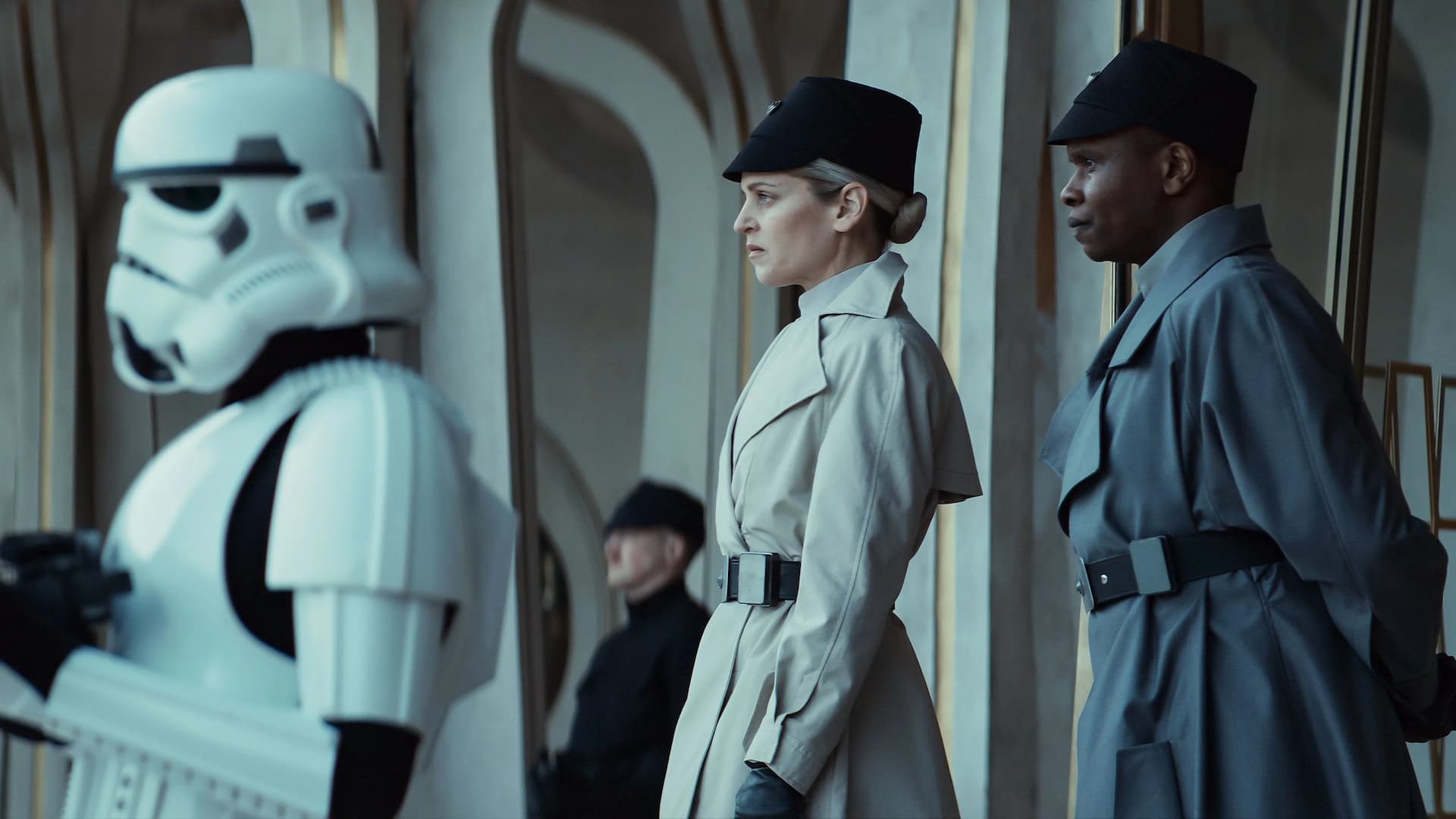
The genre of Andor shifts along with Cassian himself. What begins as a grounded drama about people in difficult circumstances first turns into a criminal chronicle, then into a daring heist story, a techno-thriller, a slow-burn tale about a labor camp, and even an adventurous episode with space pirates.
Yet unlike someone like Han Solo, nothing comes easily to Cassian. A routine starfighter theft plays almost like a scene from The Naked Gun, while the attempt to hide it feels closer to a novel by Cormac McCarthy. More importantly, every decision has consequences — each “good” choice leads to deaths and torture, while also handing the Empire’s investigators new clues.
For five years, long before meeting Jyn Erso — who will later immortalize Cassian almost as a religious figure—he lives under immense pressure. Not in the world of Jedi and Force-wielders, but in a paranoid haze where no one can be trusted, and even friends pursue their own goals and may sacrifice you at any moment.
Supporting characters, like the aforementioned Luthen, exist in that same techno-thriller fog. They are afraid, tense, hiding their true emotions, and only rarely experience moments of joy or peace. Their goal is simple — to do everything possible not to lose hope completely in the world ruled by Emperor Palpatine and his security officers.
At times, what unfolds recalls the New York jeweler Howard Ratner from Uncut Gems. This reckless dealer lives in a constant state of risk and overwhelming stress. He is drowning in debt, pursued by creditors and gangsters, while at the same time his marriage and relationship with his mistress fall apart.
Instead of repaying his debts or making a clear choice in matters of the heart, Howard tightens the metaphorical knots around his own neck, making ever more desperate bets. His personal revolution and new hope is a black opal from Ethiopia, which he believes will solve all his problems at once. But, much like in Cassian’s story, life interferes with even the most carefully laid plans.
Howard rapidly spirals deeper into a frenzy of reckless gambling, wagering everything — his countless pieces of jewelry, his family’s happiness, and his own life. Uncut Gems is often seen as a domestic drama with a neurotic protagonist, yet it is also a chronicle of obsession, where each new bet is an attempt to escape the trap and ease the pressure. Instead, despite all efforts, the tension only grows.
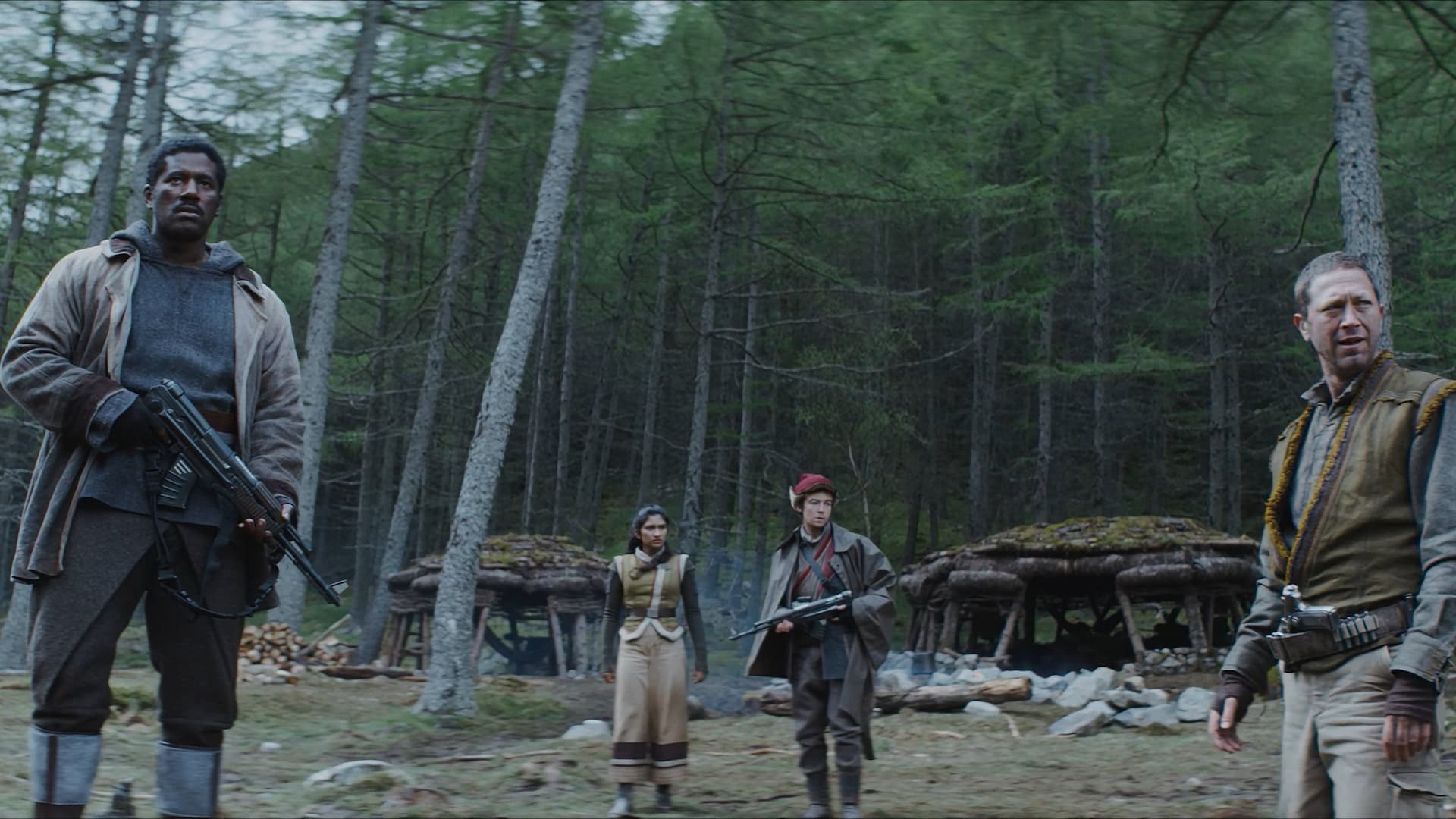
At first glance, Andor and Uncut Gems seem to lie millions of parsecs apart. Yet both works focus not on grand heroes, but on ordinary people who have driven themselves into difficult circumstances. Cassian is a defective cog in the Empire’s machinery and a tool for revolutionaries, while Howard is a small-time player in a world of enormous stakes. The scale of their decisions contrasts sharply with the vastness of the worlds surrounding them.
The creators of both works reflect on choice and its consequences. Cassian gradually grows harsher and loses parts of his humanity, accepting sacrifice as inevitable and turning into an unpredictable instrument of revolution. His world is a sequence of operations planned by others and a chain of absurd coincidences.
Howard, on the other hand, is deliberate in his impulsiveness. He constantly makes decisions, yet they never have time to shape him. The consequences hide in the fog of the future, waiting to strike at the worst possible moment. Blinded by stress and gambling fever, the hero believes he is in control — but in reality there is no control at all. Even Luthen Rael, who might have guided him through the darkness, was never born in this version of New York.
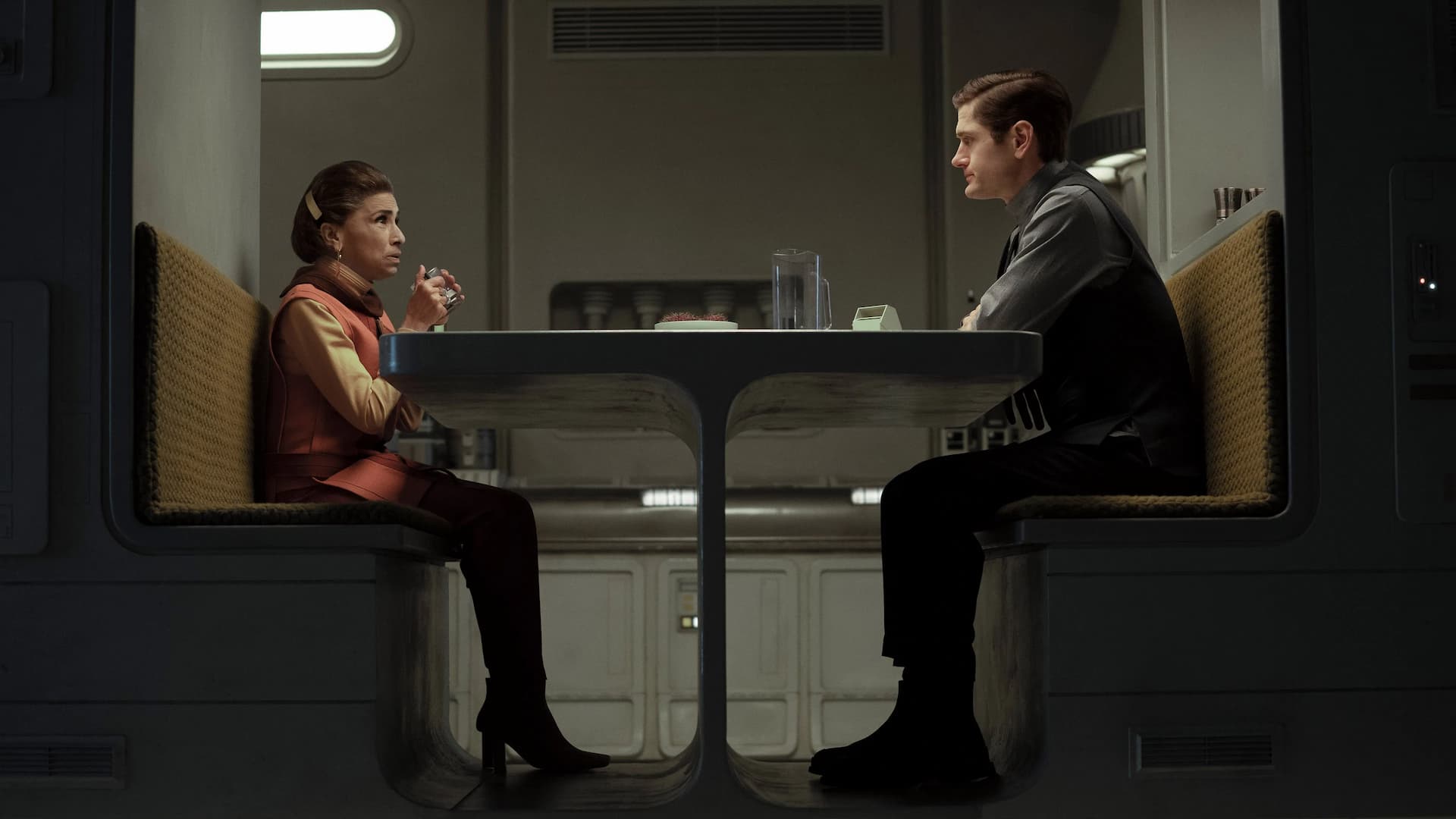
The characters of these two different works move inexorably toward similar endings. The sticky waves of stress begin to fade, the washed-out routines of daily life dissolve, and the final moments of Cassian and Howard are filled with a strange beauty. One gazes at the endless horizon beside Jyn Erso as a planetary-scale explosion engulfs them. The other, lying on the floor in a pool of blood, watches the collapse of his own inner cosmos.

Andor does not romanticize revolution — it is full of intrigue, prisons, and endless sacrifice. And in Uncut Gems there is no glamour to criminal life — its place is taken by chaos, shouting, and violence. Yet the bright flashes of what once was, dancing before their eyes at the very end, lend the paths these characters traveled a kind of unifying beauty and a long-awaited peace.