For the very last time, the sun rises over Soldiers Field, a baseball ground that has known neither packed crowds nor great sporting stars. Its stands were usually filled with local hoodlums and children who had nowhere else to go on a sweltering Sunday. Out on the field, fully kitted out and with the utmost seriousness, beer-league teams — ordinary men from the surrounding area — faced off each week.
Tomorrow, construction of a school will begin here, which in itself is wonderful news for the town. The barren field beneath broken floodlights, with its creaking benches, is ideally suited to the project. The couple dozen perpetually grumbling auto mechanics and plumbers who play here, however, do not share that opinion.
Today marks the final battle between two irreconcilable teams. When the sun goes down, everyone will climb into their pickup trucks and head home, ready to leave for work the following morning and, in all likelihood, never pick up a bat again. Though another ballpark is only a thirty-minute drive away, it could never replace these familiar, battered walls.
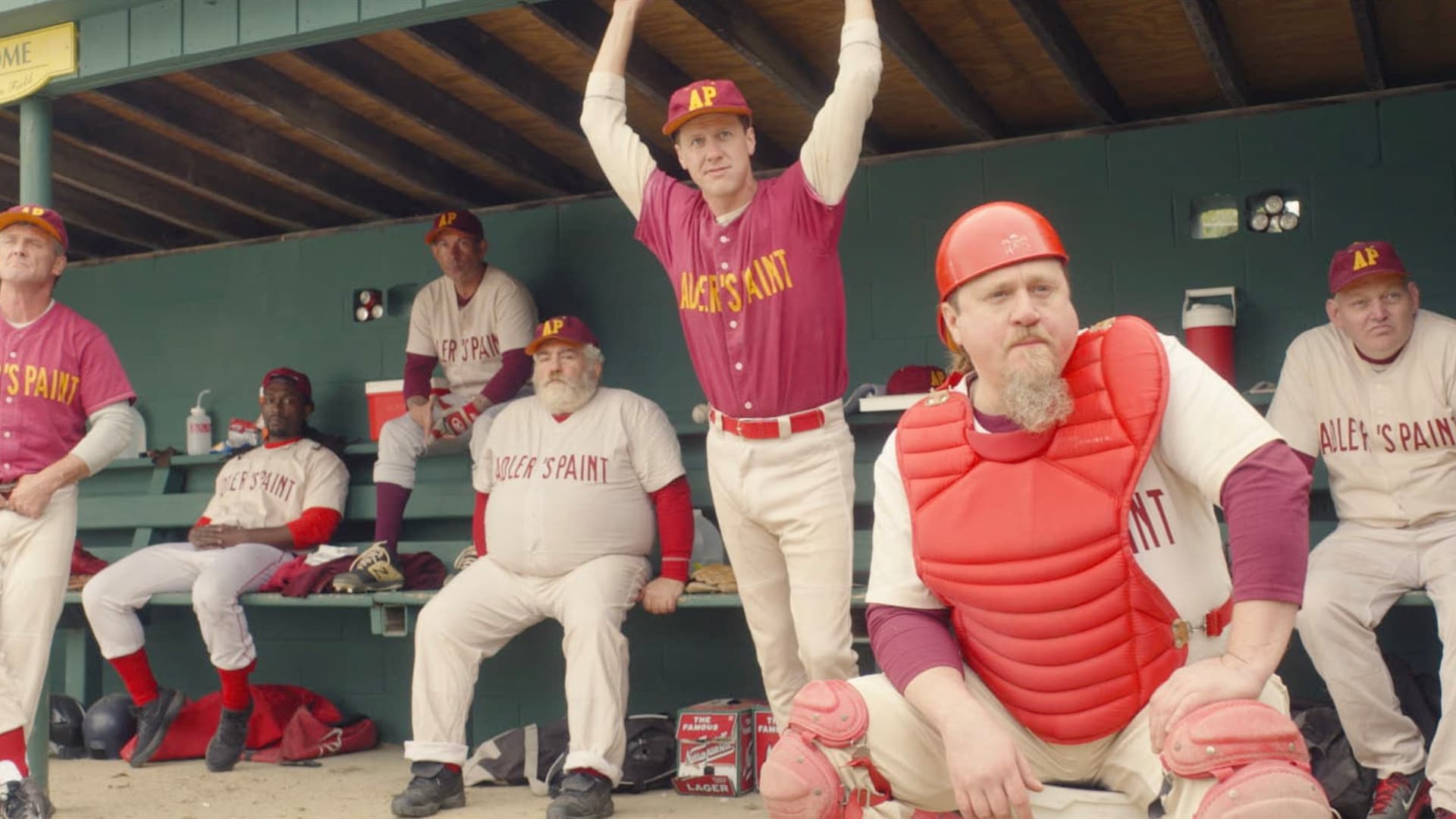
When the final game begins, it is difficult to tell just how high the stakes are. On the one hand, the cold beers have already been cracked open, and the players alternate between chatting about their families and heckling the batter with silly jokes. On the other, nothing could matter more than victory in this concluding battle, and every disputed call sparks arguments that threaten decades-long friendships.
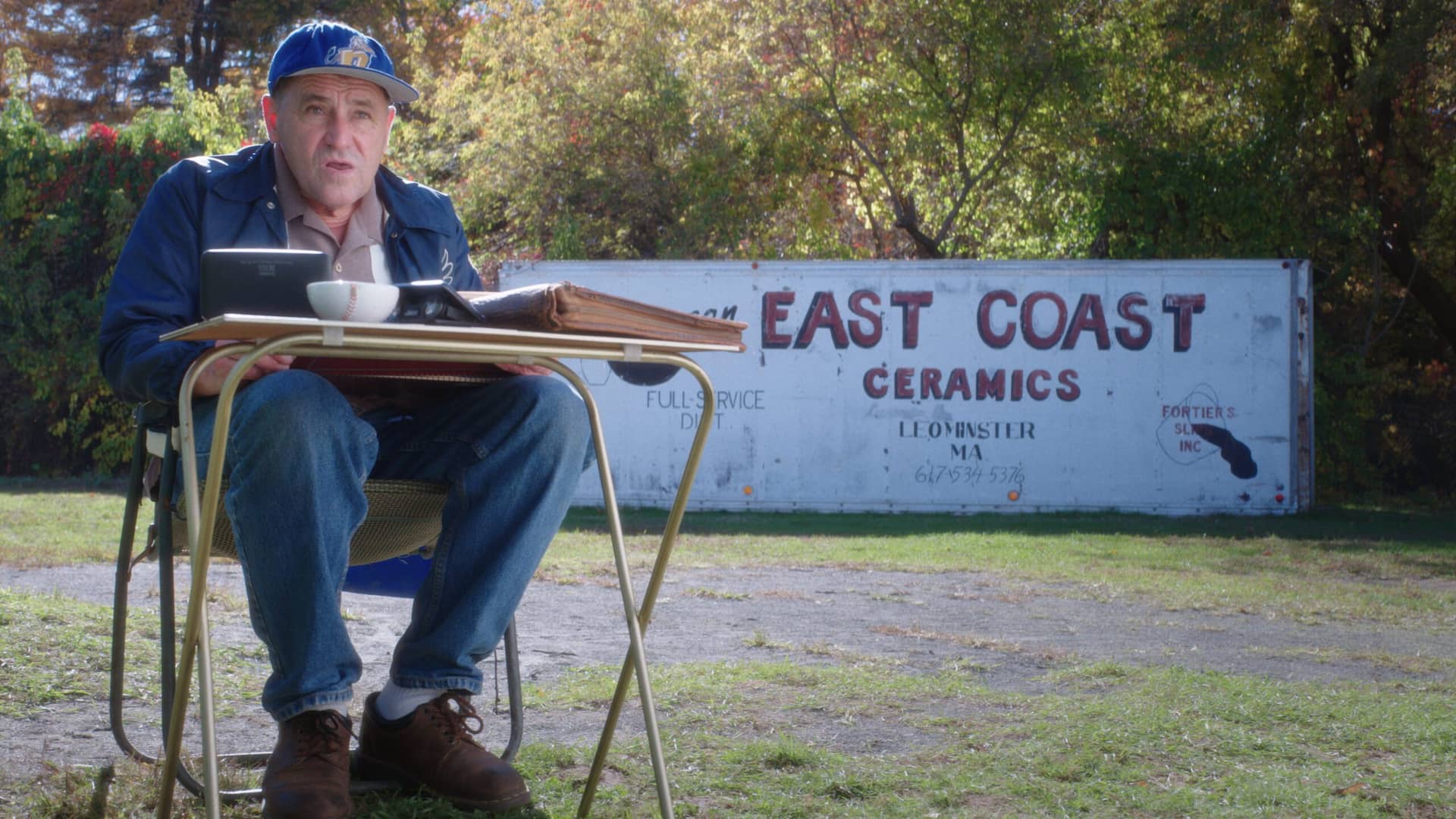
The baseball game moves at a leisurely pace, as though the gods themselves have no interest in seeing it end. The amateur athletes intend to wrap things up quickly — one man’s wife expects him home before dark, while another still has errands to run — but time drags on, and the inning count, meticulously recorded by an elderly scorekeeper, barely creeps upward.
In baseball, an “eephus” is an especially devious pitch that only professionals can truly master. The breaking ball follows a complex trajectory and seems to hang in the air forever. In reality, it hurtles through space, only to dive in front of the bat at the very last moment, when it is already too late to make contact.
Both the final game at Soldiers Field and the film Eephus feel much the same. Nothing seems to be happening — the men stroll toward first base to chat with their opponents and wait for their turn at the beer cooler, while the dugout once again becomes absorbed in a conversation about lofty matters. All the while, the sun descends inexorably toward the horizon.
Soldiers Field has seen all kinds of players. The younger ones dreamed of trying their luck in the professional leagues, but worried about what their girlfriends would think of the idea. Others escaped their wives and children each week for the only place where fighting spirit mattered more than the size of a man’s wallet or the make of his car. Still others regarded even a casual, no-stakes game as a battle between equals in which a tie was unthinkable.
To them, every part of these Sunday games is a sacred ritual. The old man has already spread the score sheet across a folding table and written down every player’s name. Latecomers are berated by teammates and opponents alike, as though their entire lives were at stake. And if someone brings pizza instead of hot dogs and beer, there will be hell to pay.
At the heart of the film is the only quintessentially American sport without a game clock. A baseball game ends not when the minutes run out, but when its prescribed sequence has been completed — nine innings, three outs, four balls. It is a sport organized according to liturgical principles, and the film’s characters obey its internal order with a stubbornness that outsiders find absurd.
When darkness falls, they will not toss their bats into their trunks, drive home, or submit to the power of nature. Cars will be pulled up alongside the field and their headlights switched on so that the players can see the ball, no matter how much fuel it takes. The game must be played to its conclusion — not because anyone cares about the result, but because interrupting the ritual would be tantamount to desecrating something sacred.
These men, worn down by life, burdened with bad knees and extra weight, cling to the game with manic persistence. After all, it is the only language of intimacy they permit themselves. They can spend five hours standing together on the field, grumbling and trading foolish jokes, arguing with the umpire and mourning a missed ball — and, through this companionship, feel closer to one another than they do to their own wives.
At the same time, the game is a way to hold back the time that is forever racing onward, and of which many of them have little left. The looping eephus pitch hangs in the air, deceiving the batter’s sense of timing. During this game, life pauses for a single evening, and old age ceases to obey the laws of physics.
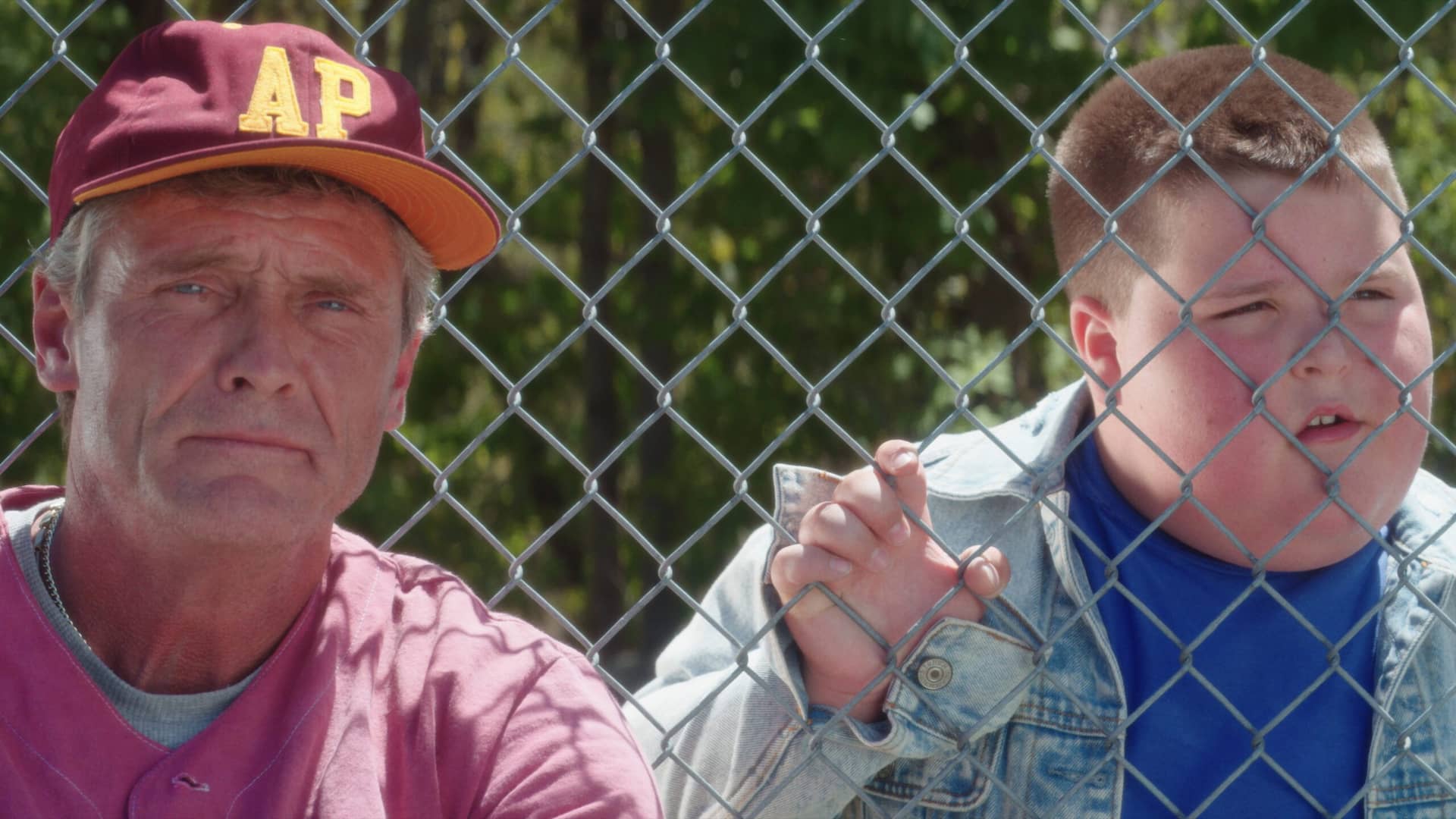
For most of them, baseball became a tradition handed down by the older generation. The signature breaking pitch, made famous by the home run hit off Bill Lee’s delivery in 1975, is passed around the dugout by word of mouth like a sacred and unquestionable rite. Their bond with one another and with this field will remain sacred until a bulldozer razes Soldiers Field and disrupts the age-old course of history.
They grasp at that bond like a lifeline, refusing to let go even when night settles over the field and half the balls become impossible to find in the thick grass. Yet when someone’s children pass by, they merely shrug, unable to understand the point of all this useless fuss. The ties between generations were severed long ago; only a group of stubborn old men refuses to admit it.

The final inning under the dim glow of headlights marks the end of everything — the carefree hours spent on the bench, and even a tiny fragment of the universe. But a school will be built on the site of Soldiers Field, and the next generation’s new rituals will gather moss in just the same way. Decades from now, another band of grumbling old men will bury their youth, and the cycle will begin anew, for every dying sun will inevitably rise again.