The Borg family home has long been coming apart at the seams. Its crooked foundation is sinking into the earth, and no one even notices the cracks in the walls anymore. The aging wooden house has weathered four generations and countless repairs. It sags beneath the weight of its years, yet remains surprisingly resilient — more stubborn than anyone it has ever sheltered. The same cannot be said of its latest occupants: an elderly film director and his daughters.
The girls flew the family nest as soon as their wings were strong enough, so they would no longer have to listen to the ceaseless fighting on the other side of the wall. By then, their parents had no reason left to preserve a marriage held together no more firmly than damp plaster. The once noisy, bustling house suddenly fell silent and rapidly faded, leaving behind only memories of happier days.
Now the grown-up sisters and their father each have lives, family troubles, and joys of their own, entirely separate from one another. The radiant Nora shines on the theater stage, while backstage she lets another woman’s husband into her bed. Agnes, an archivist, is her opposite: she steadily raises her young son and tries not to bring into her marriage the chaos she may have inherited from her parents.
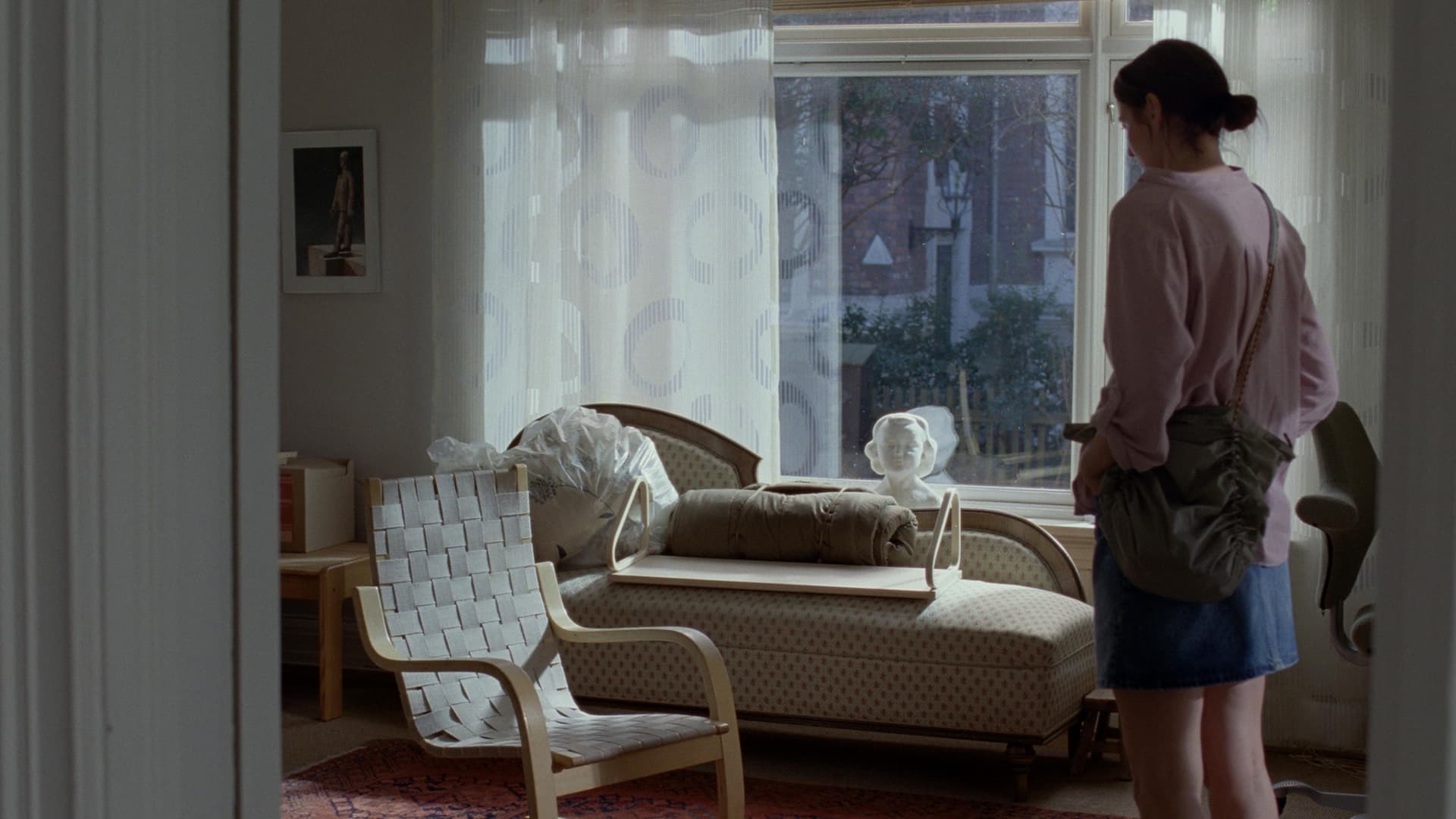
Gustav, once a great film director and now a weary, disheveled old man, has not made a film in 15 years. The human stories that once came to him so easily are no longer born. And while Agnes allows him to see his grandson, Nora does not even want to hear about the father who abandoned his family for the sake of great art and disappeared in search of inspiration.
In “Sentimental Value”, Joachim Trier explores the impossibility of escaping the past and finding a blank page on which to begin again — much as he did in his previous film, “The Worst Person in the World” (see our article). Nora has hidden from her family in the clamorous world of theater, but that is precisely what has made her vulnerable. Acting binds her to her father, and every appearance onstage becomes a confrontation with a trauma that cannot be separated from her craft.
When the girls were children, their father made a film and cast Agnes in one of the roles, leaving a scar that turned her away from art forever. Nora, meanwhile, received no encouragement for her talent and devoted her life to theater — perhaps hoping to prove her own worth, or perhaps secretly waiting for the day her father would take a seat in the front row.
Childhood wounds, yearning for an unlived life, and rage at the entire world make Nora a brilliant actress, yet those same forces leave her paralyzed before she steps offstage. Gustav, too, struggles to cope with feelings in everyday life, but on paper he can create piercing poetry. Father and daughter are authentic only within art and destructive beyond it.
Their mother’s death accomplishes what her life could not — it drives the quarrelsome trio beneath one roof, a roof that still remembers their happy voices. Their father extends an olive branch to his estranged daughter — his final and most important screenplay. It tells the story of Gustav’s mother, who survived torture by the Nazis and took her own life before his eyes; its leading role was written for the only person he can trust with such difficult work — his own daughter.
Like the cracks in the walls of the house, the screenplay spreads further than its author is prepared to admit. It is a desperate attempt to convey pain and inherited trauma that he cannot express in words. The text becomes a mirror through which Gustav reflects Nora. He is writing specifically for her, trying to warn her about the dark path she is following.
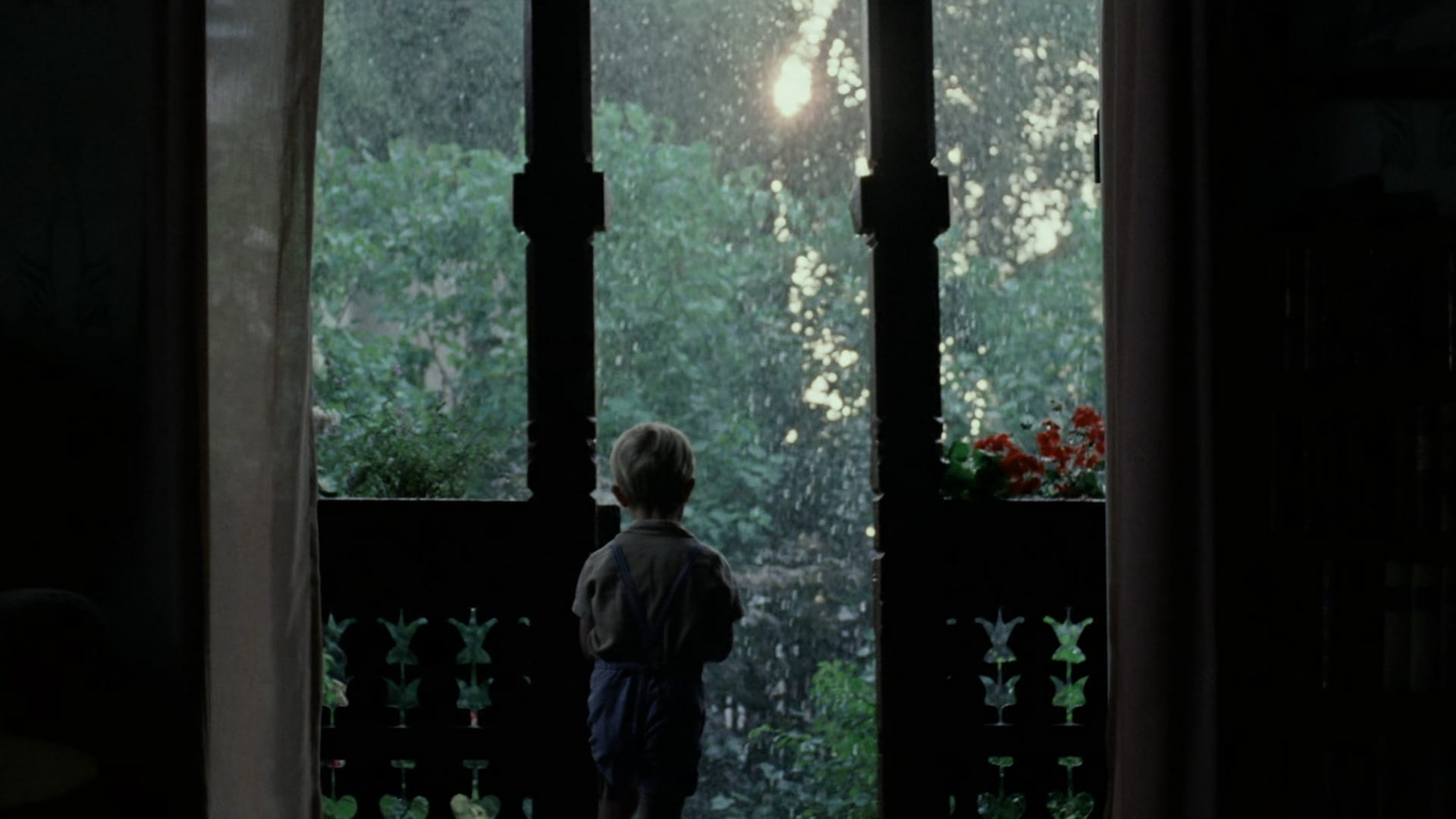
The father begs his daughter to read the screenplay and play its heroine — a fusion of his tormented mother and Nora herself. He fears she is doomed to destroy herself unless she can forgive the person who tormented her and let love into her heart. The text is the plea of a man who does not know the daughter he abandoned, yet understands exactly what she is going through.
Nora firmly refuses the offer, feeling that a decade of silence should be followed by an apology, not a job proposal. Unaware of how personal these lines are or how much of their family history they contain, she sees the gesture as a bone tossed over a fence built up over many years. She also believes that her father can love only through the lens of a camera, and she refuses to give him an easy way to restore the warmth between them.
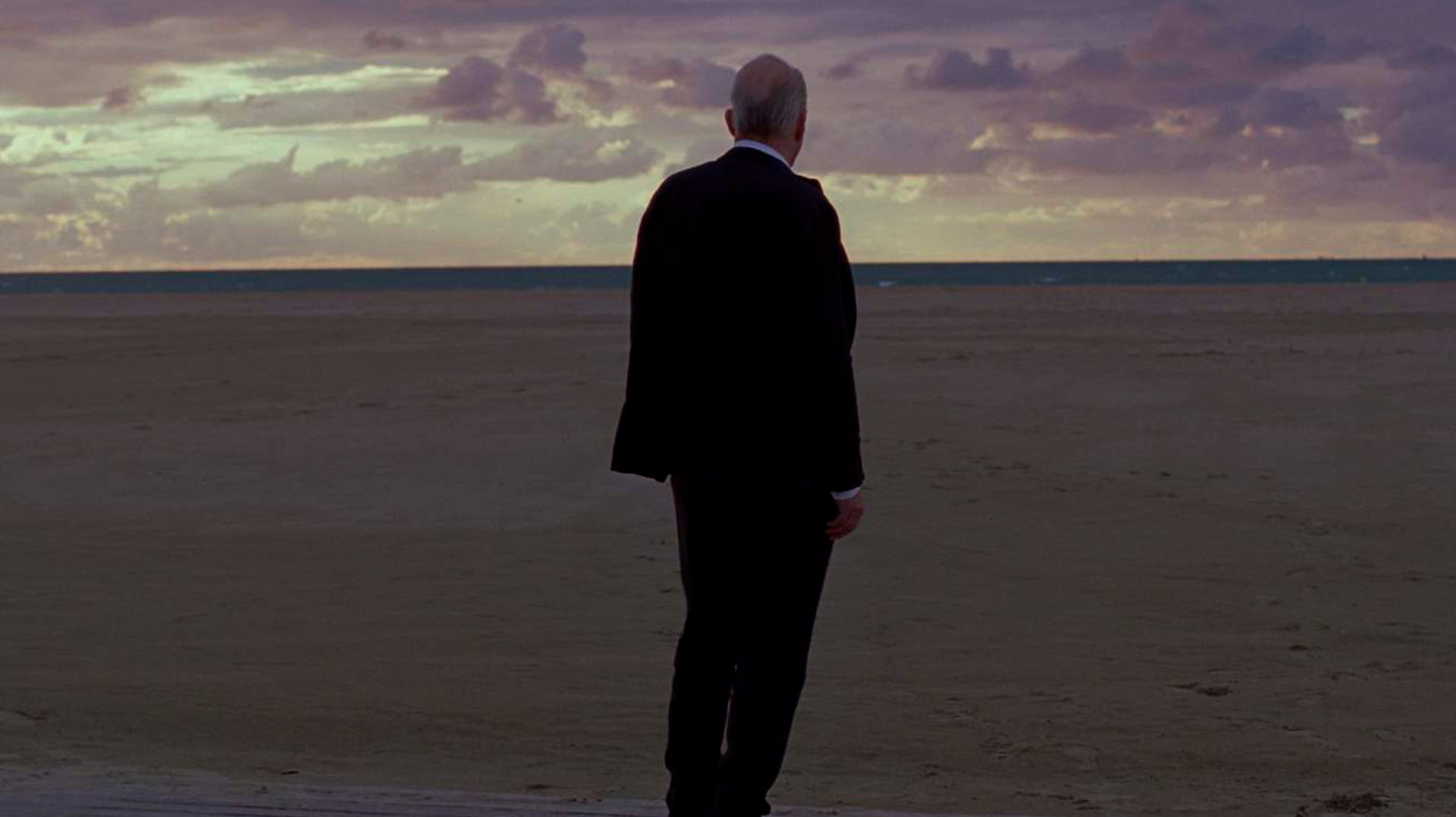
In the end, Gustav gives the role to an American actress who could not be further removed from the original character. She must adopt not only a new appearance but also the history of the family home, the wounded family, and, of course, Nora’s own identity. As she gradually inhabits another person’s life, she begins, like the heroine of Ingmar Bergman’s “Persona,” to appropriate something that does not belong to her — the identity of a living person.
But when Nora recognizes her own features in a stranger, she realizes what her father’s screenplay is truly hiding. Where Bergman allows identity to dissolve completely into falsehood and burns the film itself, Trier leaves the camera running and nudges the wounded soul toward healing.

The Borg family’s past is a history of being unable to stop. The grandmother could not still the war within her; the mother could not save a crumbling marriage; the father could not resist the urge to run away. But when Nora faces a choice, she takes the first step toward ending the cycle of self-destruction. Sometimes, even that is enough to break three generations of painful silence.