To the cries of seagulls and the roar of the waves, the roof of a small shack rises into the air as if torn away by a colossal hurricane. From a short distance away, Anna watches helplessly as a construction crane matter-of-factly dismantles what, until moments ago, had been her creative studio. Stripped of any protection from Iceland’s unforgiving winds, those walls are no longer fit for anything.
The artist’s family life resembles this half-ruined barn — the framework still seems to be standing, but inside, the wind already wanders hand in hand with soulless emptiness. After all, three resourceful children and a faithful sheepdog have long been accustomed to finding things to do without the adults, while day after day their parents remain unable to find even a remotely interesting topic of conversation.
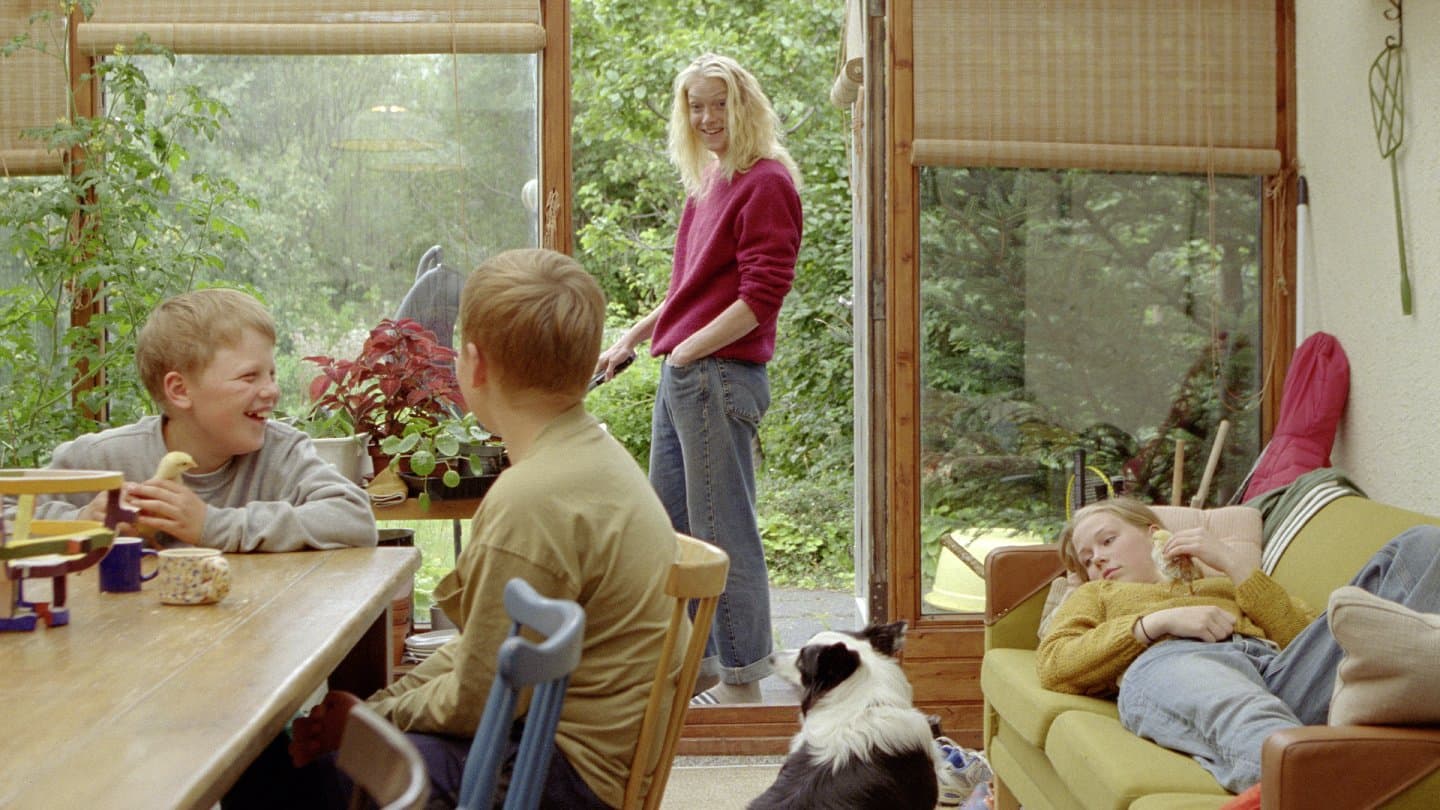
Magnús, Anna’s husband, works aboard a rusty trawler that occasionally slips beyond the horizon, where it cuts through the ocean waves in search of a fisherman’s luck. During these separations, his passion for his wife burns fiercely, but back on the farm, surrounded by everyday problems, he feels nothing but deadly boredom and irritation. Not that Anna particularly needs his attention: she is completely absorbed in her unusual art.
She cuts out iron structures and lays them over enormous canvases directly on the fjord plateau, flooded with summer sunlight. Season after season, the Icelandic rains adorn the frames with rust and leave painterly stains across the canvases. Anna gazes into the picturesque horizon and waits for months — either for beauty to emerge or for the barely perceptible decay of her own marriage.
Hlynur Pálmason, director of A White, White Day (see our article) and Godland (see our article), rarely uses affirmative connotations in his work. In The Love That Remains, there are no overt conflicts or disturbing drama. The main characters’ idyllic life, in which no one stands in anyone else’s way, decays far beyond the frame, while the consequences of that decline take center stage.
The director fills this plotless life with phenomena from the world of dreams. Magnús, whose masculinity suffers from his inability to provide a roof over his family’s heads, kills an overly aggressive rooster on the farm after it attacks the hens. But a couple of days later, the embittered bird returns, tearing the old house apart with its giant talons and symbolizing the head of the family’s helplessness even in the face of trivial tasks.
Meanwhile, the children assemble a scarecrow from medieval armor so they can take out their frustration on the iron woodsman. The lifeless figure endures the harsh Icelandic weather without complaint and even keeps watch over Anna’s paintings. Like a loveless marriage, it slowly withers, for emptiness pulses within it. Eventually, the knight will leave his post, but his fate is to wander aimlessly in the dark.
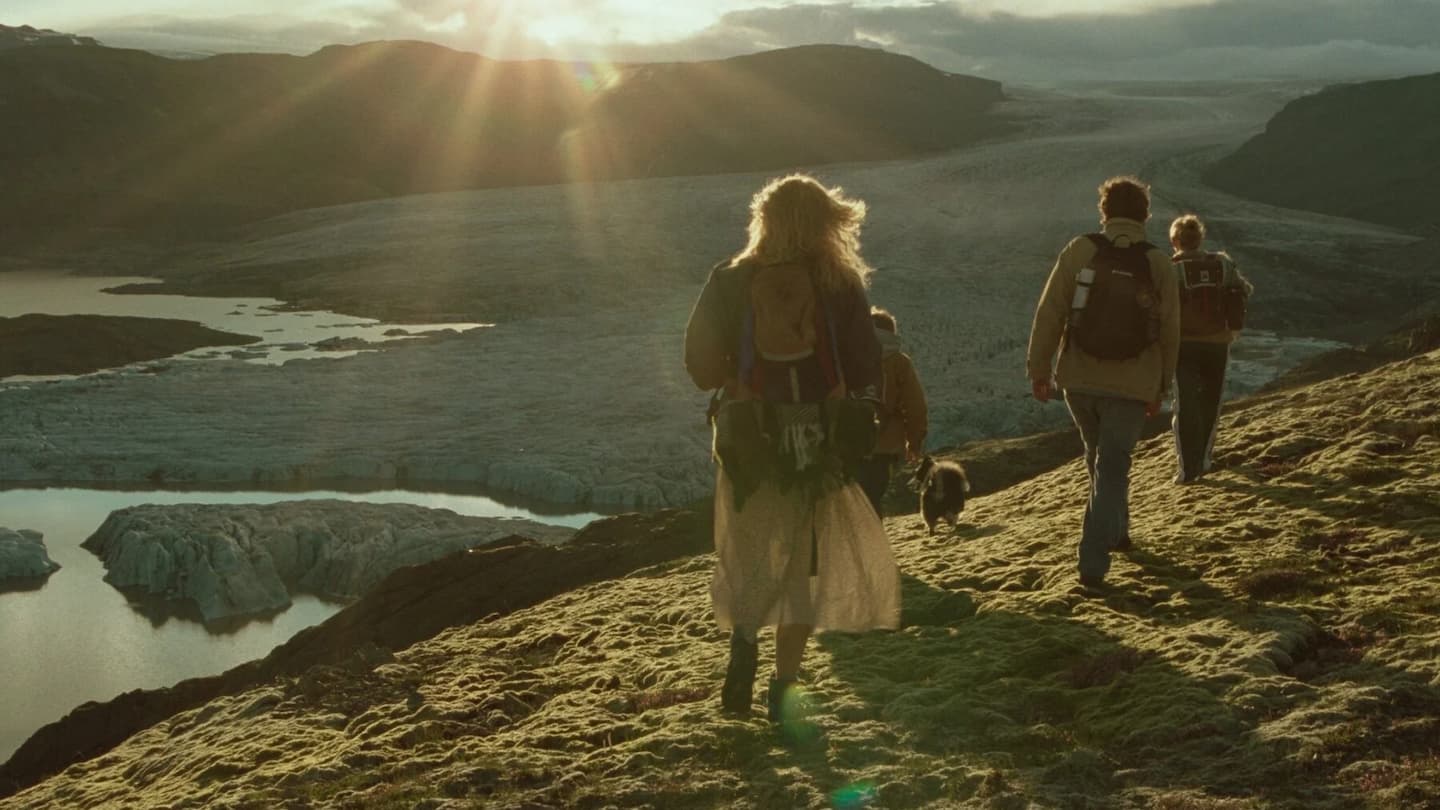
Fantasy drifts into everyday life so smoothly that the boundaries between familiar routines and absurd invention disappear. With each new scene, ever more outlandish images are woven into the narrative, yet no one finds them surprising. Unhurried life amid Iceland’s timeless beauty continues on its course, undistracted by the mystery of what is happening.
Only the children fail to notice the surrealism unfolding around the helpless adults. Their reality already contains enough fantasy, so giant roosters symbolizing fear of the consequences mean nothing to them. The rusty knight remains nothing more than a lifeless scarecrow in the wind and never enters their dreams.
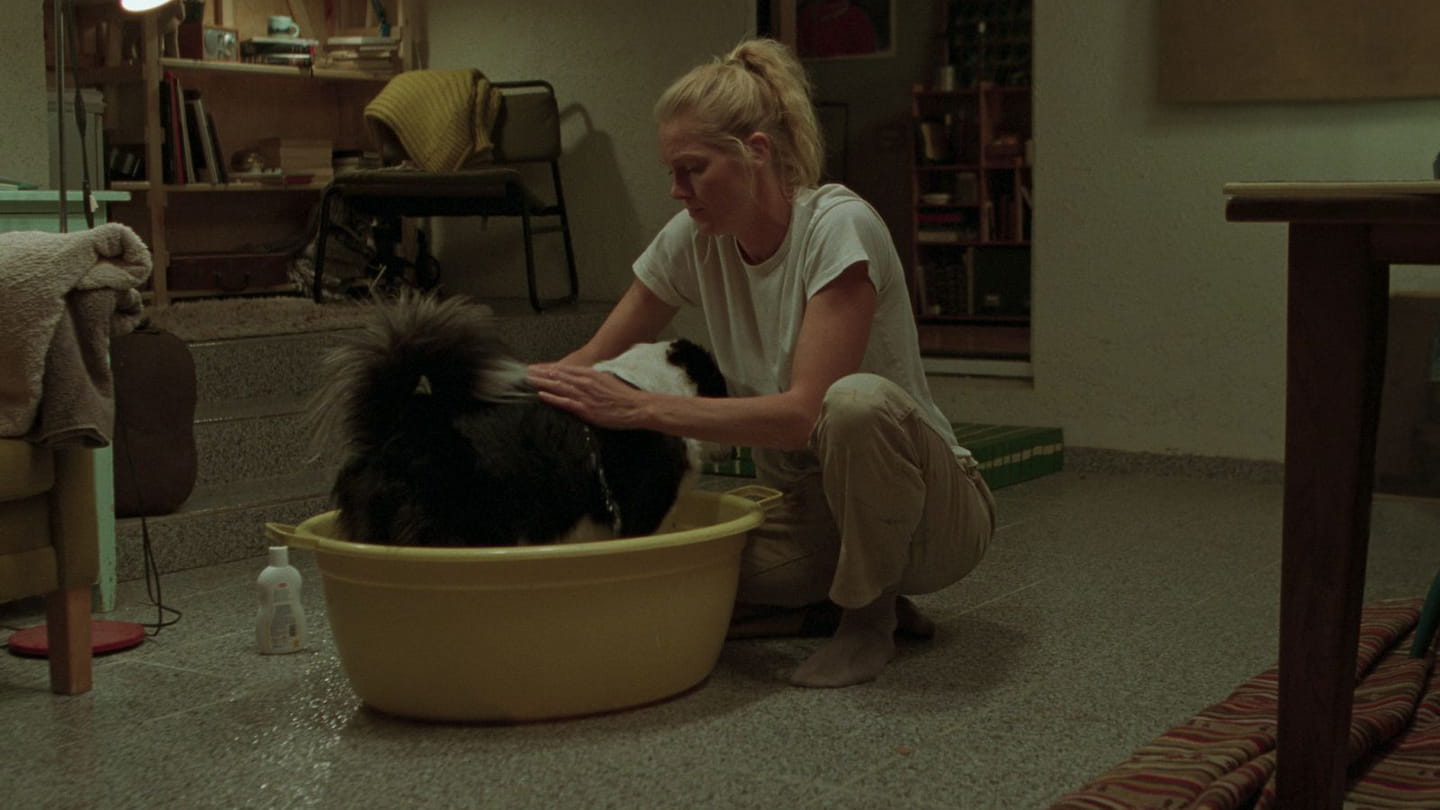
The film breathes with helpless sorrow over the course of an entire year. The scorching summer sun gives way to autumnal melancholy, followed by the cruel northern snows. Magnús continues to flee home, retreating to the fishing trawler to endure his colleagues’ jibes about a possible divorce and to doubt his own masculinity. Anna waits in silence for nature to complete her rusted masterpieces, afraid to disrupt the course of nature and of her own life.

Against the backdrop of the majestic fjord, Anna and Magnus’s slow drift apart seems almost insignificant. With characteristic Nordic stoicism, Hlynur Pálmason shows that feelings may fade, but the icebergs do not melt—and life certainly does not end. His film is steeped in the conviction that, in the end, all love leaves behind is rust forged by the rain. Yet even those reddish streaks hold meaning and a peculiar beauty.