Taipei tossed uneasily in its sleep as a ravenous virus coursed through its veins. At first, it seemed no worse than a harmless cold — the kind that heralds disaster in cheap horror movies on late-night television — so the city’s residents merely brushed off the early symptoms with sleepy indifference. Before long, however, that slight malaise became the first step into the embrace of the apocalypse.
The strengthened virus did not turn the city’s residents into textbook zombies; instead, it picked rusty locks to the basements of their souls. The urge to hunt for human flesh gave way to a desire to hurt themselves and those around them — the more elaborate and terrifying, the better. The only reminder of the possessed people’s former lives was the tears streaming over their distorted smiles.
The metropolis’s residents found themselves trapped in a scarlet labyrinth of agony and vice. The madness mounted, and in an instant Taipei became a vast pagan altar — a Hieronymus Bosch painting brought to life, or the cover of a Cannibal Corpse album. By a twist of fate, it was the latter that became a full-fledged film with live actors and an approved script.
The soundscapes — aggressive, slippery, and sharp, like broken glass — insistently telegraph what a death metal record’s visual style ought to be. As a rule, it is a cocktail of 1980s horror clichés. The problem is that there are too many images and references, leaving no trace of fear behind.
Grievous injuries and mangled flesh, naked figures, an excess of tiny details, and a band-name logo styled after bloody drawings on a wall — this excessive, even tasteless accumulation is necessary for the artists to vividly demonstrate death’s triumph over fading life.
Death metal deliberately challenged social norms and anxious mothers, offering listeners cinematic sketches several minutes long. With screams, drum rolls, and machine-gun bursts of guitar, its creators echoed teen slashers and pulp novels packed with explicit scenes.
These were stories about maniacs, global epidemics, the collapse of civilizations, and primal instincts that had lain hidden for centuries beneath layers of laws, agreements, and mundane habits. These “quick” horrors were packaged into compilations and sold on cassette or compact disc for the price of a movie ticket. The grinding guitars and rampant machismo came as a bonus.
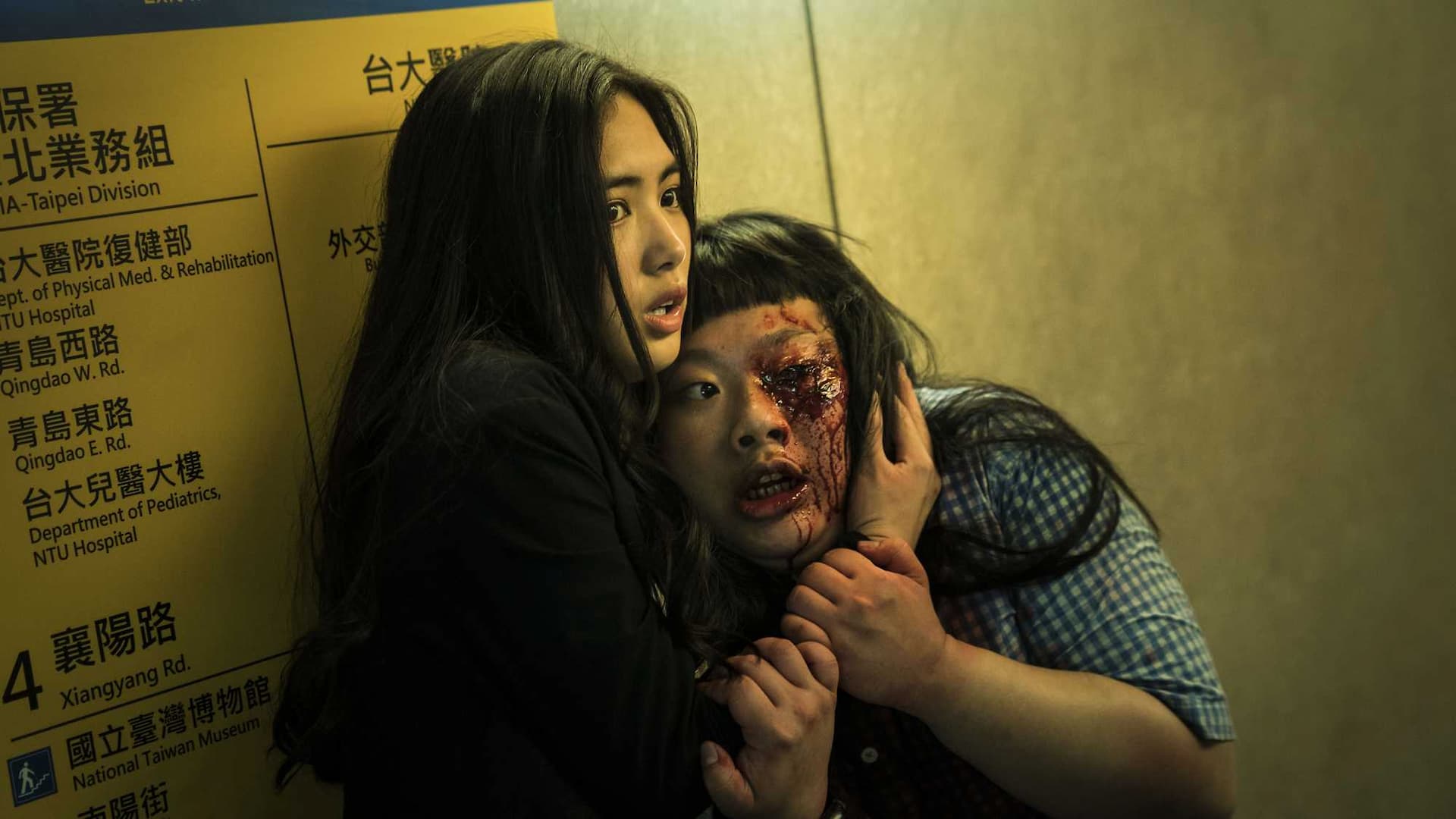
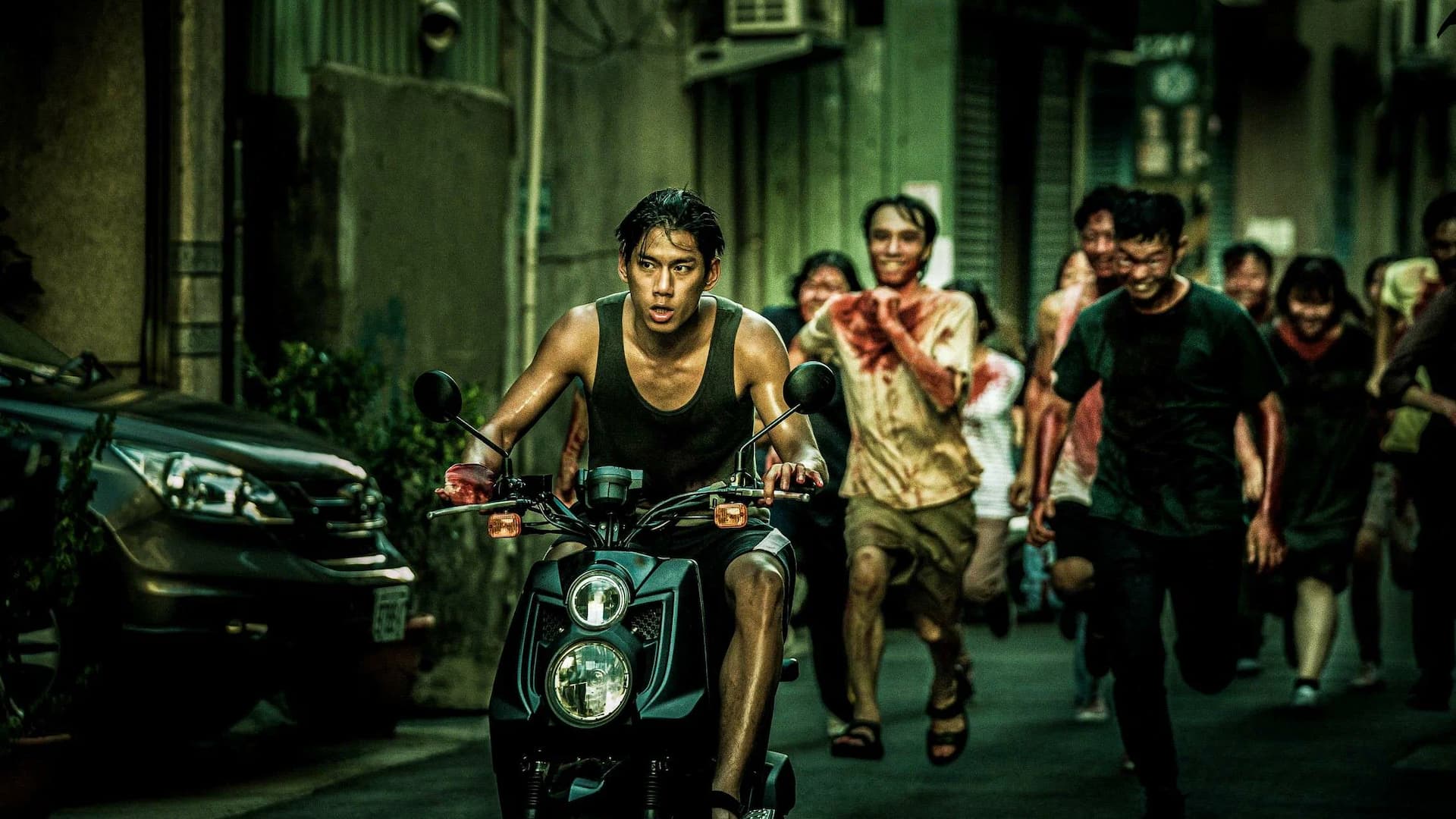
Canadian director Rob Jabbaz, by contrast, turned the experience of listening to this kind of music into a feature-length film. “The Sadness” sets static album covers in motion — the camera scrutinizes every detail of the nightmare engulfing Taipei, while the horrors shed their dried paint and break free of their jagged outlines, because they, like the people around them, are now alive.
The film’s brutality is not a means of reflecting on the pandemic, but raw material from which horror can be molded. Grotesque injuries and the accompanying sexual practices are needed to convey the source material. The precise imitation encompasses every aspect of the film — from its vulgar “apocalypse right now” to a runtime approaching that of extended editions of death metal albums.
A cacophony of screams, moans, and lustful chuckles echoes what is happening onscreen. In some scenes, the director loses interest in the protagonists, who have not yet been infected, and focuses on the infected instead. They are far more important and compelling than the characters driving the story, because a tale about the violent death of all living things is difficult to tell through healthy characters.
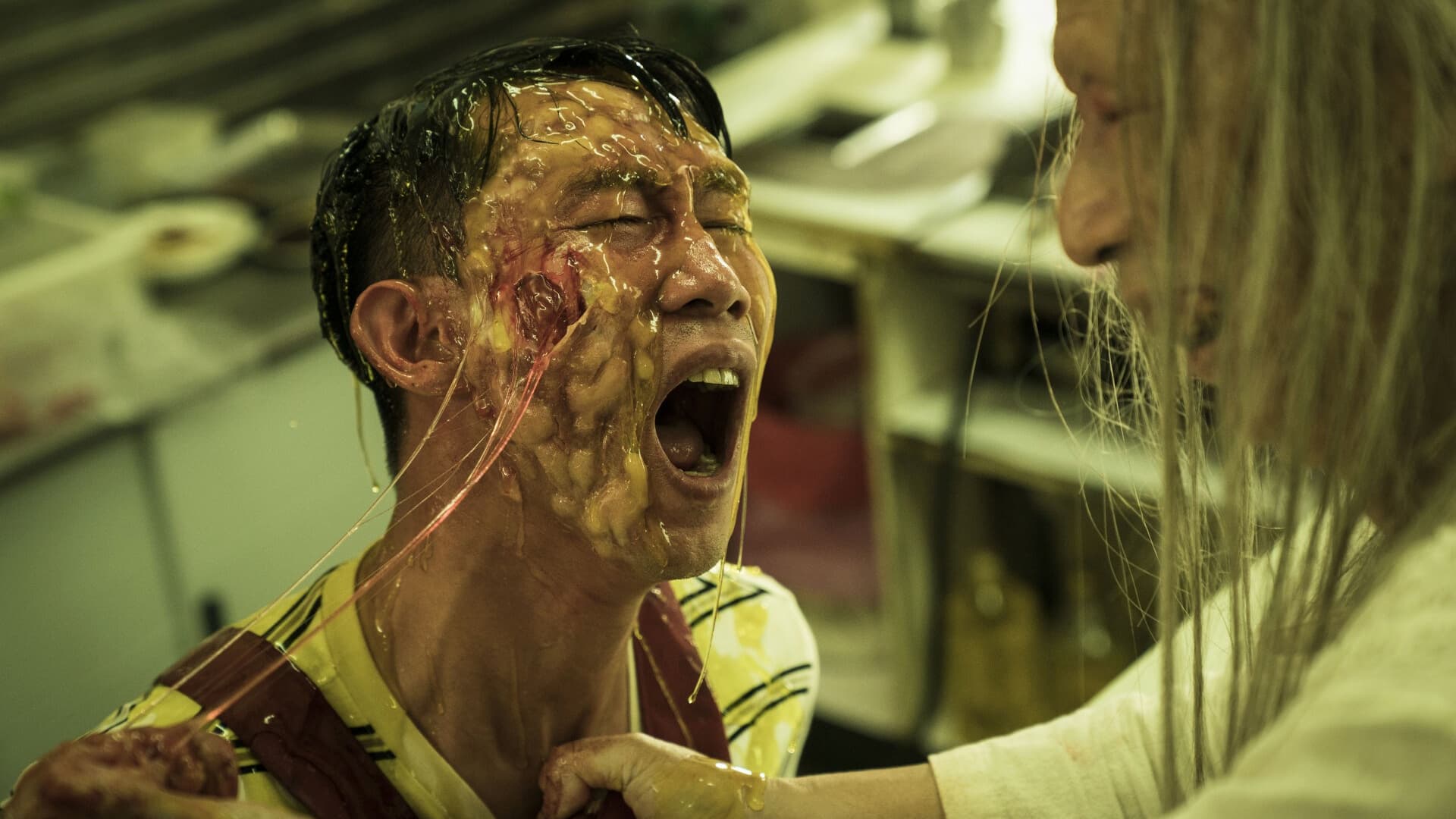
Despite the modest runtime, the violence in the film is so cyclical that it is easy to grow numb to it. These are not Gaspar Noé’s devastating works, in which he deliberately pulls the ground from under the viewer after laying an everyday foundation. In Rob Jabbaz’s collage, assembled from fragments of other people’s album covers, there is no room left for pure fear or empathy.
Death metal exploits violence to the same degree. Over the decades, some of its fans have grown tired of the worn-out subject matter, switched to other genres, or stopped listening to music altogether. “The Sadness” achieves a similar sense of saturation in the shortest possible time by focusing on a single detail — violence.
Rob Jabbaz and his coolly detached cinematographer do not flirt with the meanings of post-horror. They create a vivid album cover that “comes alive” through the listener and is remembered in isolated fragments rather than as a complete narrative. Years later, an aficionado will remember who violated whom and how, yet forget the setting in which those outrageous acts took place. Nor will they remember the lyrics to most of the songs.

The nightmare recedes with the fading credits. It is easy to imagine the director smiling at that moment, thoroughly pleased with himself. He is like a teenager in a Cannibal Corpse T-shirt seated at the dinner table with his conservative relatives. They urge him to abandon his provocative clothes and speculate about Satanism; in response, the teenage rebel—now grown—simply puts his feet up on the table.